
Textile Production Chain: Keys to Understanding its Impact
Share
Understanding the textile production chain is critical for companies seeking efficiency, consistency, and reliable results with every order. Each stage of the process—from idea and design development to final garment delivery—has a direct impact on quality, delivery times, and costs , and understanding it enables better strategic decisions when working with suppliers.
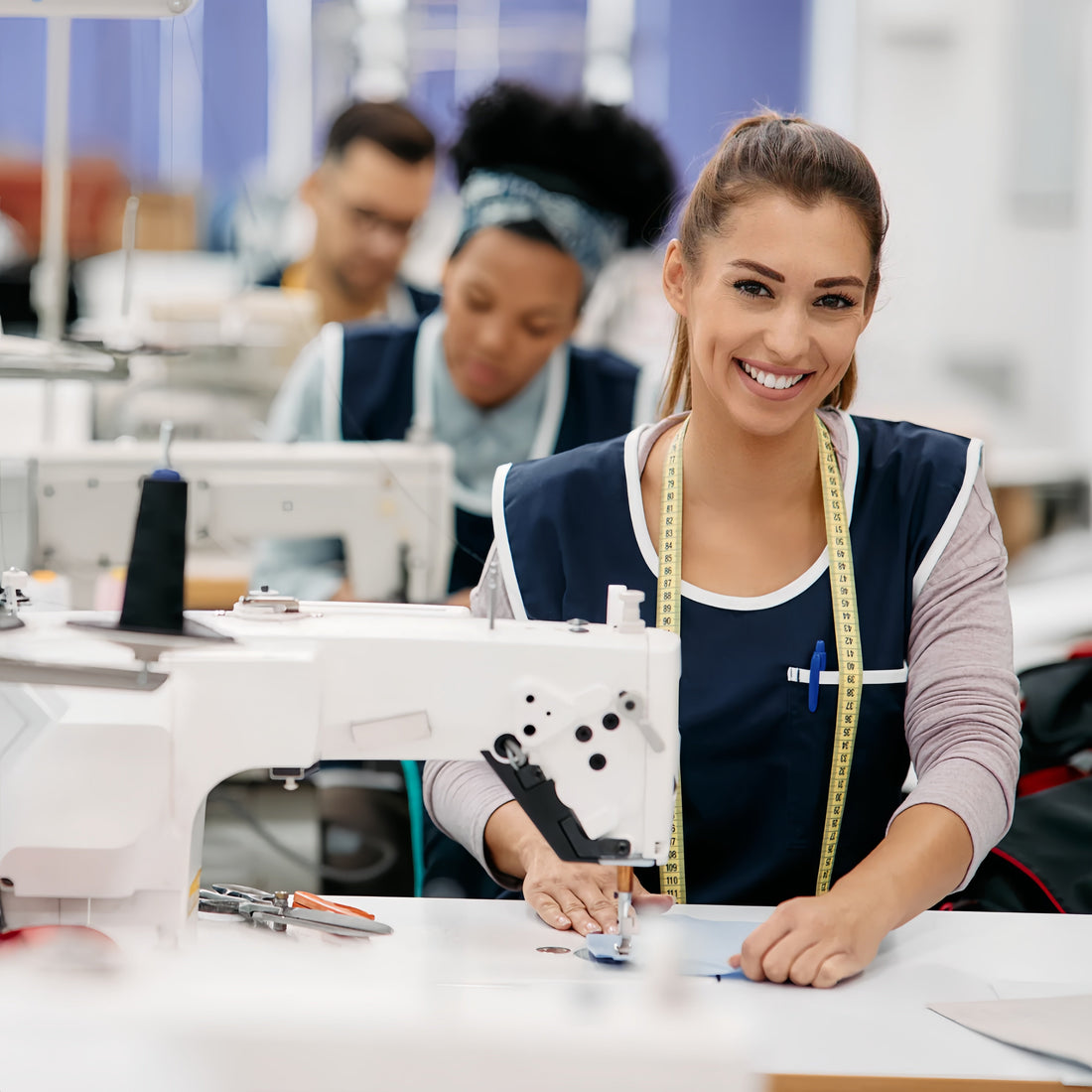
The process begins with planning and defining materials , considering factors such as fabric type, cuts, prints, and custom finishes. Physical samples and virtual renderings are then developed, allowing the client to visualize and fine-tune the designs before mass production begins. The cutting and sewing stage integrates modern production techniques, ensuring that each garment meets the client's specifications, from standard sizes to more complex styles such as oversized garments or garments with special details like embroidery, rhinestones, or foil.
A crucial aspect is logistics and documentation coordination , especially for international customers. Efficiently managing shipments, customs, and transit times ensures that products arrive complete and on time, minimizing risks and additional costs. Having an integrated production flow allows B2B customers to save time, optimize resources, and maintain consistency in each production batch .
Furthermore, understanding the production chain helps identify opportunities for improvement and adapt strategies to market needs, ensuring that each client receives professional and reliable service. This comprehensive view strengthens business relationships, improves order planning, and provides clarity on the timelines and costs associated with each project .
🔗 Learn more about the textile production chain and its importance: Learn all about the textile industry and its importance